September is Suicide Prevention Month, so we are not going to gloss over the darker side of self regulation.
Intuitive healing is based on the body’s ability to heal itself by itself, including self regulation. Because of this fundamental faith in the body’s healing capacity, in general around here we refer to self regulation as a positive. The truth is, self regulation can be positive, neutral, or negative.
Self regulation is simply an active attempt to affect or manipulate nervous system regulation. Whether you believe people are motivated strictly by pain and pleasure, or good and bad, or my personal belief, pursuit of security and aversion to threat, you could go so far as to say that every action we take is an attempt to regulate, to feel good, or safe. If we agree that every action is an attempt at self regulation, not every action to this end is healthy.
Here are a few examples of self regulation that ultimately do not meet your best needs:
- Alcohol Dependency: Alcohol is a social lubricant, source of Dutch courage, and a powerful nervous system depressant. The reason a drink can make a social interaction less intimidating is because the fear of rejection revs your fight or flight response. Alcohol comes along and washes those feelings away with its depressant qualities – not qualities that make you sad, but qualities that slow your nervous system down. For those dysregulated among us, that slow nervous system might feel like calm, but it’s a false calm. In fact, it can have the reverse effect in the morning: have you ever felt anxious the morning after several drinks? That guilty feeling has less to do with your behavior the night before and whether you texted certain ex-partners, and more to do with the fact that by homeostasis, your body tried to return back to its usual state of heightened sympathetic response by pumping adrenaline and cortisol into your body. That is one of the reasons why you did not sleep so well, why you feel so crummy, and why the inhibition lift you got the night before is like fool’s gold.
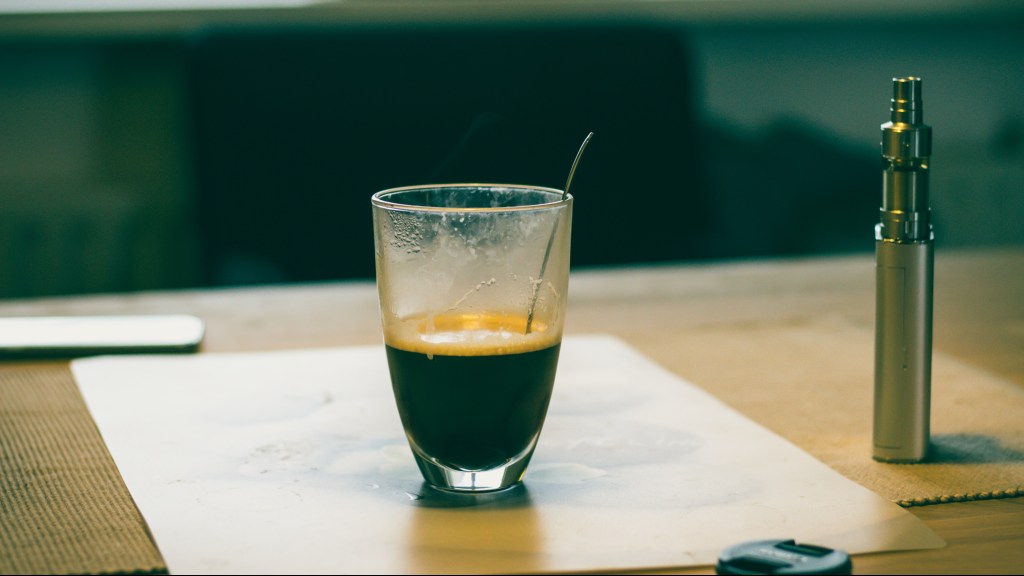
What to Try Instead: If you are just nervous about going to a party or first date, try a few breathing exercises and preparation tactics. If you are worried about having nothing to talk about, prepare a few topics you really love: a book you’re reading, or an activity you are passionate about. If you are worried about the activity being boring, plan something to look forward to after. If you notice every social engagement you attend involves drinking and you want to explore alternatives, try reading Not Drinking Tonight by Amanda E. White. If your dependency on alcohol is more than a social crutch, I definitely recommend exploring 12 step and sobriety groups, especially ACA: Adult Children of Alcoholics and Dysfunctional Families. - Caffeine Dependency: One only need visit a Hobby Lobby to witness the religious grip coffee has on a large percentage of the population. Here is the dark, bitter truth: caffeine does not give you energy, it masks your dysregulation. But like alcohol, the body will try to maintain balance when something goes up by bringing it down; that is why we experience a number of crashes throughout the day, with coffee conveniently on every corner to perk us back up. It might seem innocuous in this pumpkin spice season, but the marketing around this drug in a mug doesn’t change the fact that anything that allows us to ignore our underlying fatigue continues to prevent our healing by bypassing underlying issues.
What to Try Instead: If you would literally rather die than give up coffee, you might want to consider whether this relationship is entirely healthy. But I am not here to take away your Java, especially as I write this after my morning cup. I will say this: coffee is not a breakfast (or any food) replacement. To be kindest to your body, especially when recovering from chronic dysregulation, always pair your coffee with a meal, saving coffee as a dessert. You will experience fewer crashes, or at least have the chance to notice and consider what is driving your fatigue and where your energy is or is not coming from. - Eating Disorders (Anorexia, Binge Eating Disorder, Bulimia, Orthorexia, etc.): I am by no means an expert in eating disorder recovery, but I know from my own experience this one thing: eating disorders are not about eating. Dr. Anita Johnston breaks this down fantastically in her book Eating in the Light of the Moon, with clinical, cultural, and deeply intuitive understanding of eating disorders, their roots, and effects. This book actually unlocked the idea of intuitive healing for me, and I personally recommend to every woman regardless of ED diagnosis or not. Because the act of eating engages a small parasympathetic response, we can use eating for self regulation in helpful and harmful ways.
What to Try Instead: In addition to Dr. Johnston’s book, if you need immediate help with an eating disorder, here is the National Eating Disorder Association hotline contact. Seeking a qualified counselor is always recommended to help repair your relationship with food and address the underlying causes. - Drug Dependency: Drugs is an admittedly unhelpful term because of its broadness: whether a substance is a stimulant, depressant, or hallucinogen, pharmaceutically produced or grown in nature, prescription or recreational can influence not only how it interacts with our nervous system but how we feel about its use. But the bottom line is this: there are a lot of substances that we use for no other reason than self regulation, and no matter what substance you use, it is worth asking why, why, and why again. It’s worth asking what you are attempting to suppress or enhance, what need is going unmet, and how this substance is helping or hindering you. What constitutes a drug problem is not my scope or interest, and there is no room for prejudice in health and healing. What is essential, however, is introspection, honesty, and most important of all, support.
What to Try Instead: There are support groups and hotlines available for every possible drug, and I stand by them. I’m also going to throw in keeping a journal to explore feelings and patterns surrounding unaddressed needs. (Before I see any eye rolls, I harbor no delusions that journaling will solve the opioid crisis, but hand to heart I know it will do infinite better good than the War on Drugs.) - Self Harm & Suicide: These two are likely the most alarming topics of discussion on this list, and this statement will be just as alarming: self harm, including suicide, are modes of self regulation. Self harm can feel like taking control of pain; suicide, control by despair. Again, I am not sharing this as therapist or medical professional, but from anecdotal experience. My journey to intuitive healing truly began in the depths of suicidal ideations. Addiction, suicide, and diabetes all run in my family; what do these three all have in common? Nervous system dysregulation.
If You Experiencing Self Harm or Thoughts of Suicide: You are not alone. You deserve love and safety. You can call or text 988 at any time.
This list is shared without shame or condemnation. Self harming behavior, even behavior that can hurt others, is almost invariably performed due to an unmet need for connection, safety, intimacy, fulfillment, and a number of crucially human requisites. This unmet need principle applies to behavioral addictions as well – workaholism, gambling addiction, shopping addiction, serial promiscuity.
Really, any behavior can be healthy or unhealthy; this is not about moral objectives, shoulds and should nots. You cannot unbreak a heart with kale, but you can deprive yourself of food because you feel starved for love. Meeting your needs, especially where healing is concerned, requires a capacity for uncertainty that dysregulation can make very difficult.
The thing to remember is this: your fundamental goodness, your dignity and worthiness, are not undermined by your darkest thoughts or most alarming behaviors. The most extreme behaviors are nothing more or less than a radical cry for love, and the greatest steps you can take to healing are quietly listening to what your intuition is calling for, seeking support, and offering compassion.
 Intuitive Healing with Glenna
One response to “Not All Regulation is Healthy”
[…] this way. It has been years of very intentional cultivation to be able to resist those urges (all less than healthy modes of self regulation), but in a trigger, they are right there. You might have your own temptations, but the thing that […]
LikeLike