
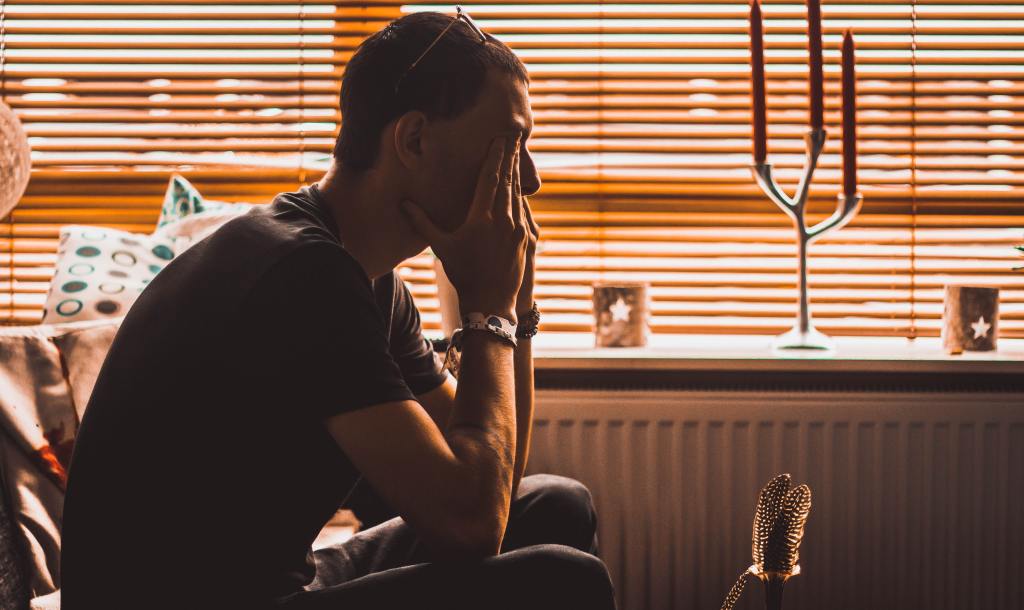
The next wave of whistleblowing is going to be piercing for people in my field, and it is the number of people who have experienced triggering practitioners. I know so many people in my own recovery circles who had their trauma re-magnified by their therapists. I know so many women who will not go to a doctor for fear of authority and abandonment. Sometimes it is through no fault of the practitioner in question, sometimes it is direct abuse, but most often, it’s for lack of genuine trauma information.
My own experience just the other day was not quite as grave as a mental or physical health professional, but happened after a reiki session (like my own client said recently, I’m willing to try anything once). It took about 24 hours for me to release and soothe the buzzing in my body, like the rage that follows a come down. If you have been triggered by a practitioner in a wellness (or any) field, you know that under the hot anger (or any expression, there are many, mine is the classic Fight response) is blood-cold panic as you desperately try to reclaim safety in your body that in the traumatized side of your mind you fear you will never really find.
These 10 things to remember are part of my own self-regulation practice that I hope will help you as much as they continue to help me:
- This response is self protective. I know a trigger can feel like a defect, and can come with its own compounding shame and embarrassment. It’s easy to think I should be past this or This shouldn’t hurt me. But our nervous system is built into us for protection. Yours might work overtime, but it’s a sign, fundamentally, that you are worth protecting.
- Your emotion is valid. Before you jump into the mental balancing act of whether you are overreacting, your emotion is valid. You are triggered because you don’t feel safe in this situation; that is not a problem with you.
- No one knows your body or experience better than you do. Every field of study has authorities. Doctors spend years in med school to become authorities on treatment and pathology. That can be incredibly helpful in sorting through and navigating your experience, but it does not override your experience. You are the authority on your experience.
- You can restore connection. The reason negative experiences with other people can be so overwhelmingly painful is because from infancy we have always needed other people. A loss of connection is a threat to our most primal need. Trauma enforces this fear of loss into us as part of survival. It can make us codependent, or it can make us suffer in chronic isolation. But you can restore connection. Nothing is lost forever, especially not you.
- You deserve (and will find) a practitioner who hears and supports you. Despite the number of regulatory bodies in place to prevent this, not everyone is good at their job. This includes mental and health care professionals, energy healers, and cab drivers. Not everyone who is good at their job is good for you. You don’t need to stick out a shitty professional relationship to prove something; make like Ariana Grande, thank them (or don’t) and move on. There is a fit for you out there; it’s worth trying one more time, every time.
- Emotions pass every 90 seconds. If you can get through a minute and a half, you will start to process the emotion physically. This might sound bizarre, but a little jumping in place will help. (I like to imagine myself in a boxing ring, where I jump and shake out like I’m between rounds, and do some combinations in the air. After 90 seconds, I’ve gotten a micro workout, and moved some of that fight response out of my system.)
- Breathe. Every time we engage the parasympathetic nervous system, we recreate safety in our bodies. Give your vagus nerve a tickle with some belly breathing, some humming, maybe some cold exposure. If boxing isn’t for you, a 90 second round of nadi shodhana, or alternate nostril breathing, is a perfect way to bring yourself back to baseline.
- Crying releases cortisol. If you, like me, have a problem with post-trigger vulnerability, crying feels like defeat, and defeat feels worse than death. But crying releases stress directly from our eyeballs. It’s okay to cry it out. Laughing is equally helpful: laughter engages the diaphragm, releases oxytocin (the connection hormone), and carries anger out.
- The [insert substance here] won’t help. I told about seven different people after my reiki experience, and I’m going to tell you right now: I had never wanted to drink more in my life than I did right then. I also wanted to eat cheese fries, purge cheese fries, go to Target, and dig up dead relatives to shout at them for making me this way. It has been years of very intentional cultivation to be able to resist those urges (all less than healthy modes of self regulation), but in a trigger, they are right there. You might have your own temptations, but the thing that will help most is feeling what you’re feeling.
- There is always someone to listen. The phrase “I just need to articulate and validate myself” is a powerful one, because you aren’t just ranting or venting, you are self-healing, and you need some support. Calling a friend, asking them to listen, and stating the above helps create a safe place for you to process, the direct antidote to the triggering experience you had. If you don’t have a friend or fellow traveler to talk to, hotline workers are literally volunteer validators. I’ve reached out several times, and highly recommend. (And they will tell you who to contact in a crisis.)
One last note: this process was not as clean as I was going through it as it is writing it down now. Self regulation can feel chaotic, messy, and a number of things we traumatized don’t want to feel, but if nothing else I hope you recognize you are not alone in your experience, and you know there is support for you within and without.
 Intuitive Healing with Glenna